When we talk about the impact of AI, the two words that come up most are "replacement" and "efficiency."
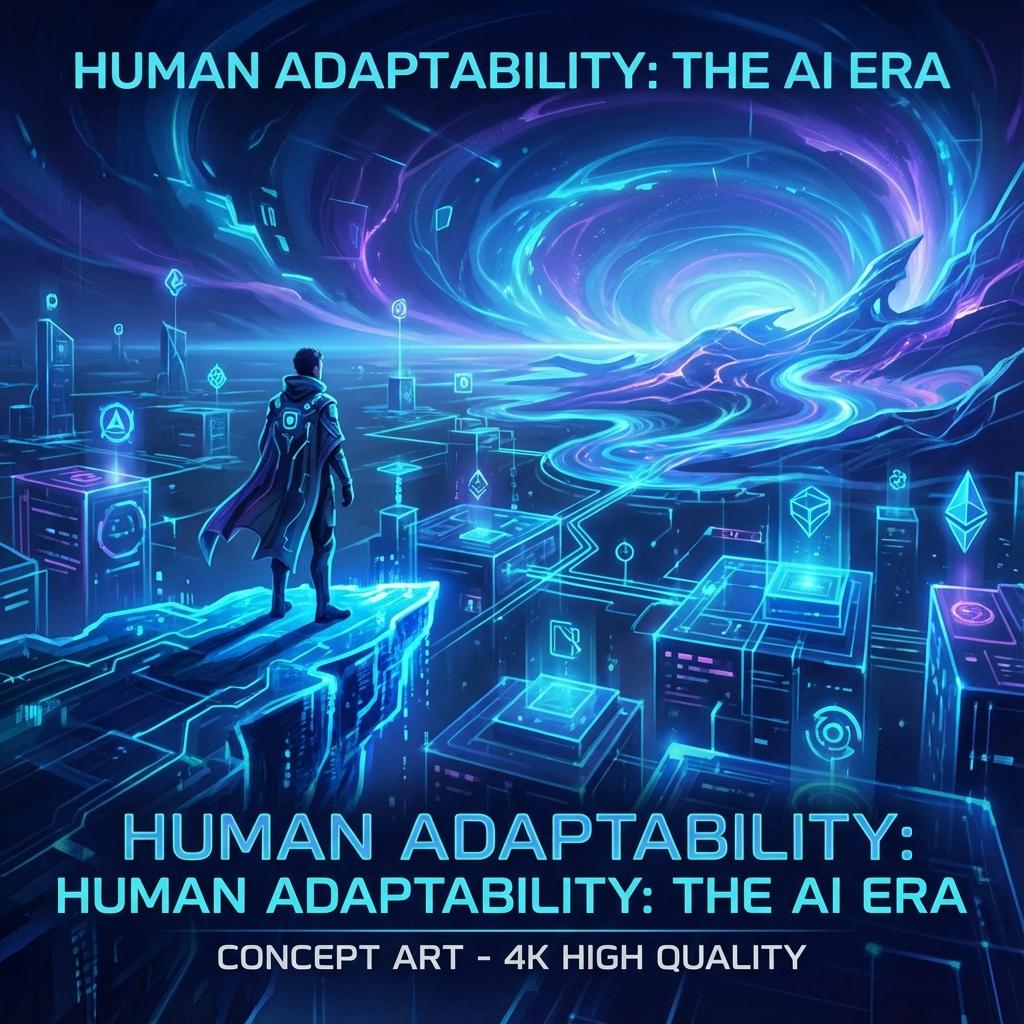
Both are real. But both miss something deeper: AI is rewriting how we understand the world, and how we understand our own value.
1. AI is not a single breakthrough. It reshuffles everything.
It does not make certain industries disappear. It forces everyone to redefine what counts as ability, what counts as value, and what it means to be "irreplaceable."
AI is not here to take jobs. It is here to take the jobs of people who stop improving.
AI's efficiency has already lowered the skill barrier in many industries.
Video editing, design, writing proposals, building slide decks, scheduling marketing, answering customer service messages.
Work that used to take five years of experience, AI can now produce a first draft of in five minutes.
That does not mean expertise is meaningless. It means people who use AI are replacing people who work on instinct alone.
In the AI era, the contest is no longer who works harder or puts in more hours. It is who can integrate tools, raise output, and amplify their reach. Humans will not be beaten by AI. Humans will be beaten by people who use AI.
2. AI is giving small businesses real leverage against large companies for the first time
Resources used to be unequal. Large companies had headcount, ad budgets, teams, and analytical capability. Small businesses could only rely on relationships, hard work, and luck. AI flips this completely.
You do not need a 10-person marketing department. You need one PM who understands AI.
You do not need a budget for market research. AI runs competitor analysis for you every day.
You do not need three days to write a proposal. AI gives you a framework in 30 minutes.
You do not need a full-time data analyst. AI is your CRM brain.
For the first time in history, a small company can spend a few thousand NT dollars on tools and get capabilities that used to belong only to large companies. The real question is not who AI replaces. It is whether you are willing to let AI become your company's "second brain."
3. AI's real impact is not on technology. It is on values.
AI forces everyone to face a harsh question: if a tool can replace you, what is your value? This is not an attack. It is a reminder.
What AI actually does is make us re-understand what core human ability is: insight.
AI can analyze data, but it cannot decide which problems are worth solving.
Insight is the most important competitive edge humans have.
Emotional understanding — AI can imitate a tone of voice, but it cannot truly understand people. Humans cannot be replaced because the value of emotion, stories, and relationships still exists only between people.
Integration and decision-making — AI gives answers. Humans give direction.
So what AI really hits is the kind of role that only executes and never thinks.
4. The most important skill in the AI era is not learning tools. It is learning to ask questions.
The better you ask, the more AI feels like a superpower. The worse you ask, the more AI feels like an encyclopedia you cannot read. The competitive formula of the AI era is simple:
Good questions × good tools × good judgment = good results
The people who really stand out are the ones who turn AI into an extension of themselves and multiply their own ability tenfold. The AI era is actually the best chance people have ever had to rewrite their own lives.
5. Closing
AI is a gift of this era that makes starting over easier. The world has sped up, but people do not have to be pushed along by it. Do not passively fear change. Use it on purpose, and build a future that is your own.
If you want to use this gift in your own company, the first step is to see clearly which work is still being held together by people grinding through it. Pick a time online for a 30-minute chat. It is free, and I will help you find those spots.