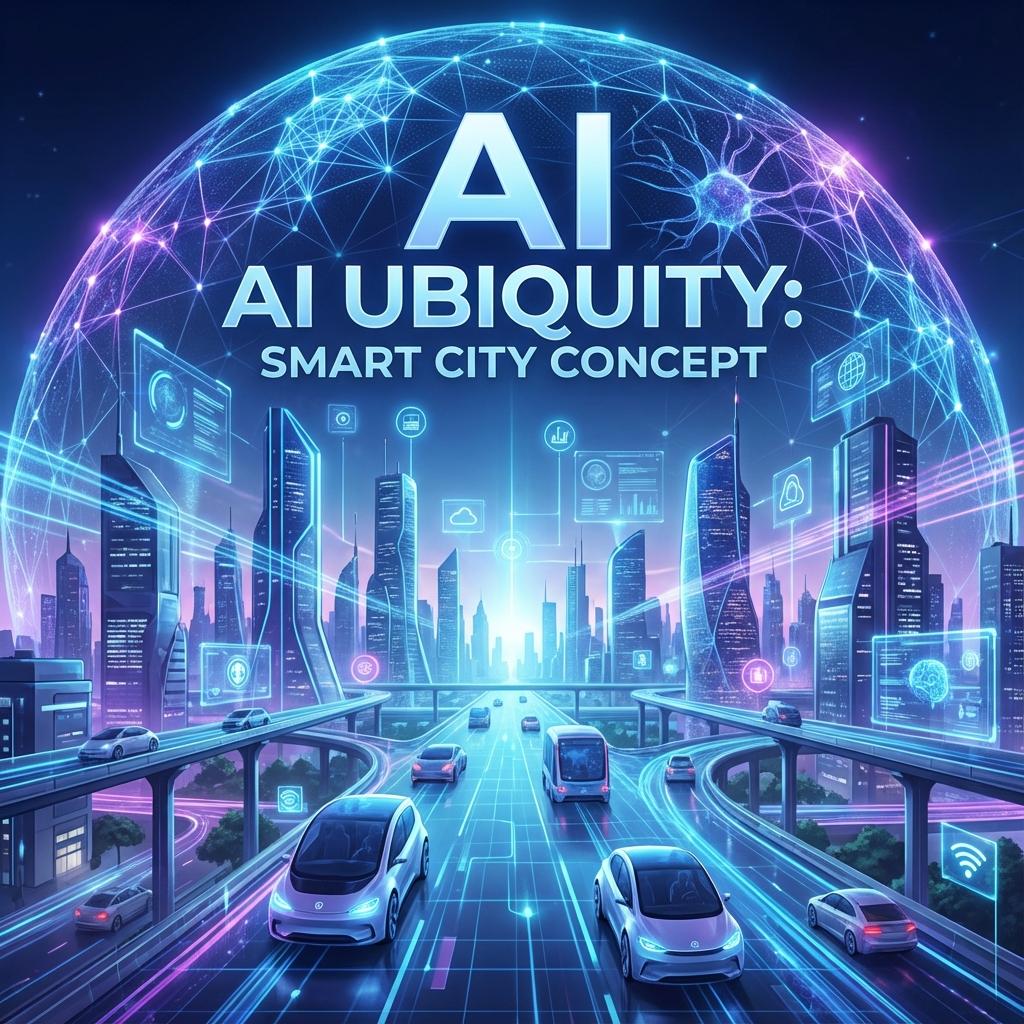
AI is moving fast. The content, tools and technology we touch every day are multiplying. Marketing, engineering, design, customer service, business strategy: AI is working its way into every industry. But once "AI can do more and more" becomes reality, people have to rethink one important question: if AI can do everything, what is left for humans to do?
1. AI is good at the "how". Humans have to own the "where"
AI can answer questions, find sources, organize information and produce all kinds of output fast. In seconds it can finish work that used to take a professional hours. But no matter how strong it gets, AI still cannot decide:
- Where the company should go next
- What problem the product should solve
- Which market is worth the investment
- Which values actually matter
AI is good at execution, but not at the why. The most valuable skill going forward will not be "output". It will be "choosing". In other words: AI can help you do things well, but only humans can decide what is worth doing.
2. When AI lowers the barrier, the real gap gets wider
With AI, everyone has the same tools:
- A beginner designer can generate high-quality images
- A beginner marketer can turn out scripts and copy fast
- A beginner engineer can get working code out of AI
That means the barrier for basic skills has dropped. But the people who are already good get even stronger because of AI. Most people: use AI to produce faster **Experts: use AI to expand their reach **
This is why the gap will not shrink in the AI era. It will polarize. People who think get stronger. People who don't get more ordinary.
3. AI replaces processes, not understanding
Every process that is predictable, standardizable and repeatable will be taken over by AI. What AI cannot do is this:
- Understand the motives behind human behavior
- Pull insight out of contradictory information
- Make judgment calls under uncertainty
- Handle problems that have no standard answer
AI can tell you a market is "probably" growing. It will not tell you: "Is this market worth going after?" "Is this the best timing?" "Where is the customer's real pain point?" These involve value judgments, emotion, culture, ethics and business instinct. AI has a hard time fully understanding any of them.
4. In the AI era, the most valuable human skill is asking the right questions
AI can generate content, but it cannot decide which content actually matters. AI can list strategies, but it cannot judge which one best fits the company's direction. AI can simulate behavior, but it cannot truly understand how deep an emotion goes. So the most important skills become:
- Can you ask deeper questions than AI?
- Can you find the core thread in a flood of information?
- Can you use AI to sharpen your logic, instead of being led around by its output?
5. Conclusion
What will be worth the most in the future is not skills. It is critical thinking × the ability to use AI. Skills get replaced. Tools get updated. Critical thinking is the one ability a person cannot outsource.
In running a company, asking the right question means asking "which process should we change first?" Book a free 30-minute diagnostic (roughly 30 minutes), pick a time slot online, and I'll help you get that question clear. No charge.