In almost every industry, we hear the same question: "Will AI replace me?" The question isn't really about the technology. It's about anxiety in a time that's changing fast. AI is growing faster than anything before it. It can write code, design, produce marketing scripts, help with customer service, and finish in seconds what used to take a whole team. So most people's first reaction to AI isn't anticipation. It's fear. But the real question isn't "Will AI replace people?" It's this: have you learned to use AI?
1. AI won't replace everyone, but it will replace people who don't use it
What makes AI frightening isn't what it can do. It's how fast it does it.
With AI, engineers can finish in a short time work that used to take hours of thinking and debugging. Designers can use models to set a visual direction quickly instead of spending hours on a first draft. Marketers can use AI to write scripts, break down audiences, and optimize ad creative, cutting the cost of endless back-and-forth. This isn't "machines taking jobs." It's that people who know how to use the tools are 5 times, 10 times, or more productive than people who don't. So AI isn't here to replace talent. It redraws the boundaries of what talent can do.
2. AI expands what one person can do, it doesn't make roles disappear
In the past, for a company to have strong digital output, it usually needed:
- A marketing planner
- A designer
- A front-end engineer
- A copywriter
- An analyst
Now, one person who knows AI tools can produce what used to take 3 to 5 colleagues working together. For example:
- A planner can use AI to build slide outlines, scripts, and campaign structures
- A small studio can use AI to put together a website prototype fast
- A startup can use AI to generate 50 ad variations for A/B testing
- An engineer can use AI to fix bugs and fill in code, speeding up development
For the first time, small companies have "big-company output." In future competition, small teams won't be held back by headcount. Their speed will make them more competitive.
3. What disappears isn't work, it's low-value ways of working
AI has never replaced work itself. It replaces processes that are repetitive and can be standardized.
These are the types most easily replaced:
- Only organizing information
- Only copying or reformatting
- Only using existing templates, with no judgment involved
- Mechanical work that needs no strategy or logic at all
Work that won't be replaced has these traits:
- It requires decisions (e.g. setting strategy, choosing direction)
- It requires understanding human emotion and motivation (e.g. communication, management, negotiation)
- It requires creating, combining, and abstract thinking (e.g. creative work, brand positioning)
- It requires integrating across disciplines (e.g. PMs, strategy consultants)
AI is good at "output." Humans are good at "deciding what to output." So what really matters is: whether you know how to direct AI.
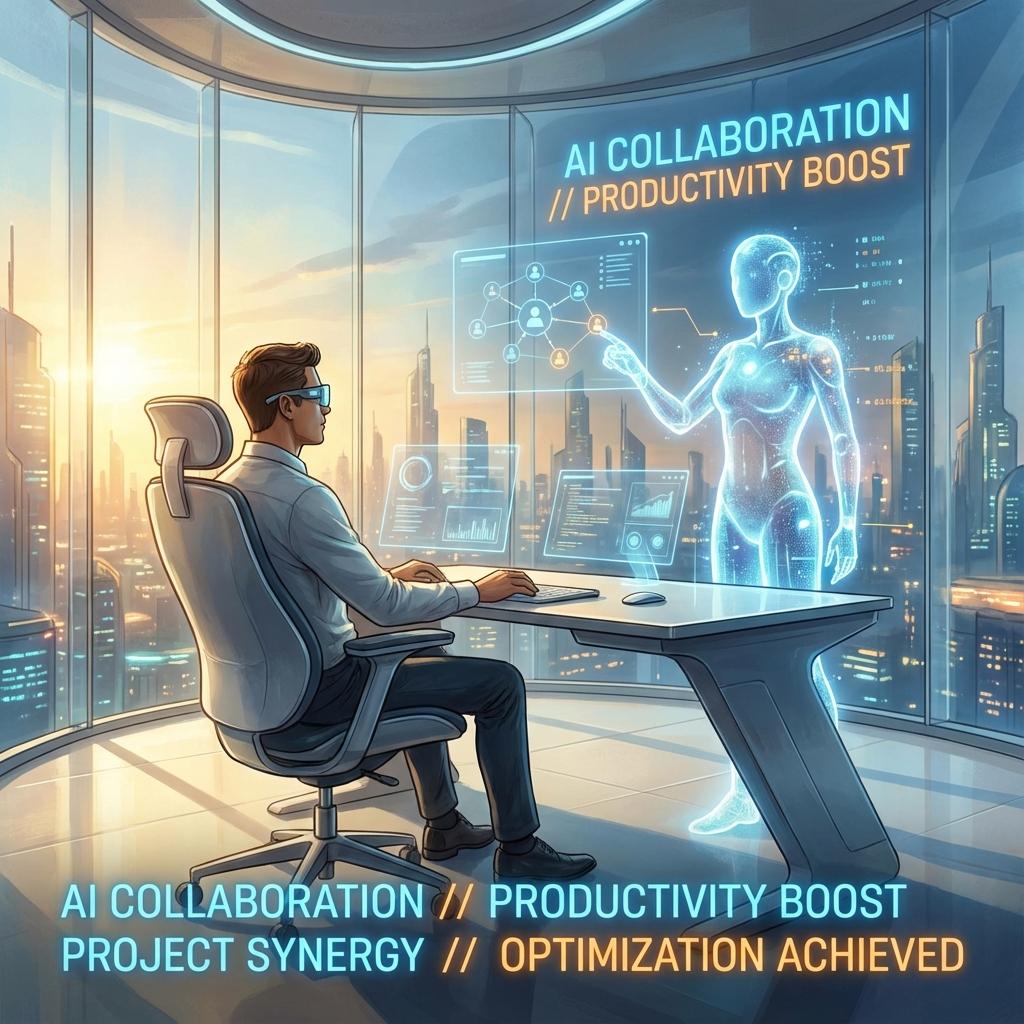
4. The core skill of the future is AI collaboration
Competitive skills of the past:
- Making graphics
- Writing copy
- Cleaning up data
- Writing code
Competitive skills of the future:
- Using AI to produce multiple versions of content quickly
- Using AI to test a direction and improve accuracy
- Using AI to cut repetitive work and raise output
- Turning AI into a decision-making tool, not just something you use
In other words, the AI era doesn't ask you to become an engineer. It asks you to become someone who can work with AI.
5. Conclusion
Learning AI isn't about replacing anyone. It's about multiplying what you can do. The power of AI is this: it lets everyone break out of the old limits.
If what you're really wondering is "So where should my company actually start with AI?", don't guess on your own. Pick a time and talk with me for 30 minutes. It's free. I'll help you find the one piece of work you should hand to AI first.